Acceptance & change
You do not have to change before you are welcome. We begin with what is here - even when it feels disruptive. From that acceptance, something may change without being forced.
Aaron Weber
For a long time, moving was the only way I knew to come out of that frozen feeling and feel alive again. When my body could no longer keep up, I had to find another way to be with what I was feeling.
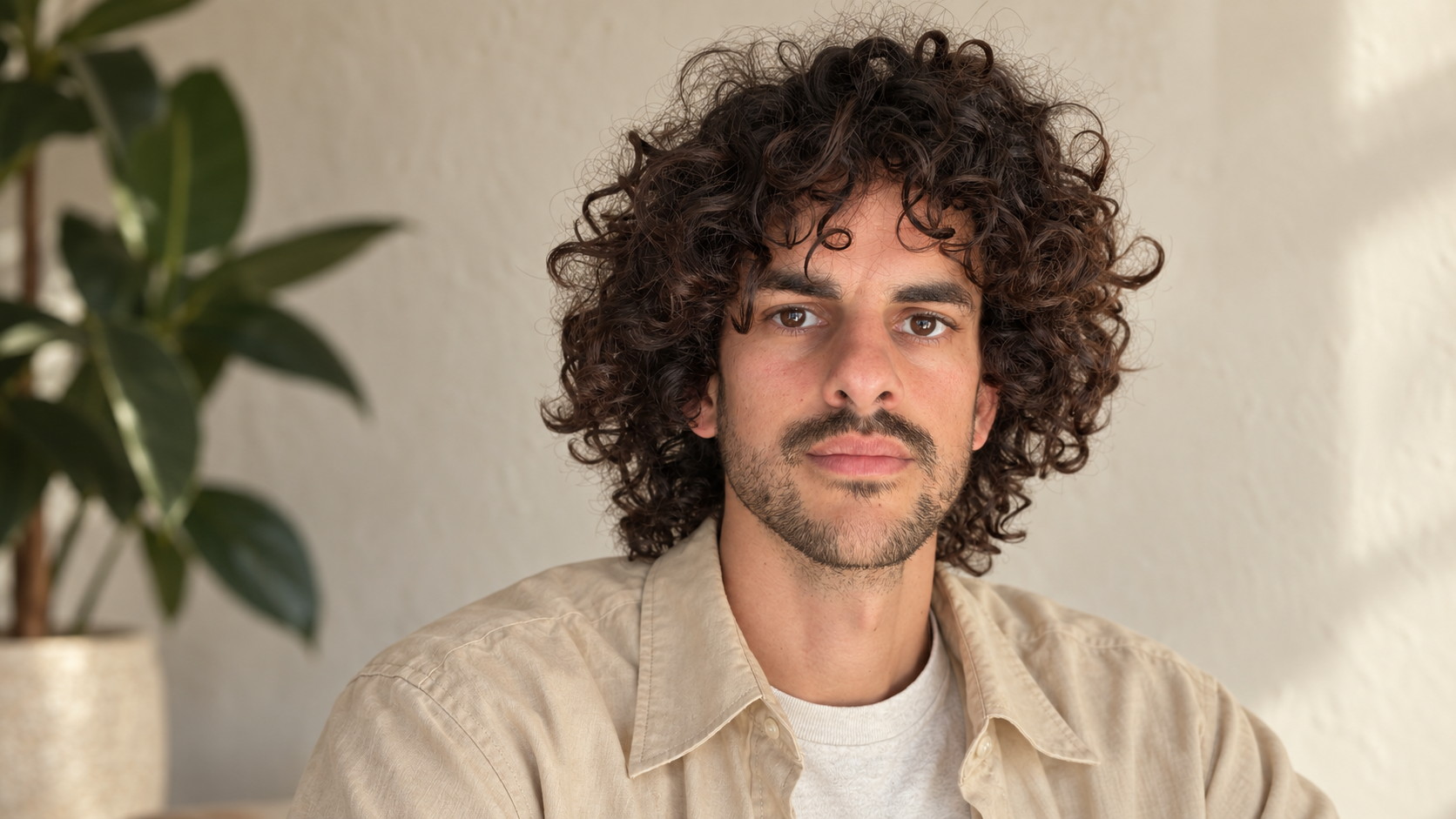
My background
For years I felt both wired and frozen. Dance, acrobatics and intense movement helped me feel again. When I moved, something in me loosened and I felt more awake, freer and more in touch with myself and other people.
Feeling better depended on being able to push myself. I had to do something, achieve something or get past a limit. Chronic illness and physical limitations gradually took that option away. I had to slow down and learn to stay with myself when things were difficult, without trying to change them straight away.
Over time I came to understand that regulation can begin with noticing what I’m feeling, letting myself be supported and easing some of the pressure on my body. That experience shapes how I work with people today.
I grew up in a retreat centre, surrounded by people looking for different ways to practise their faith, heal and live together. Later I spent time with a Sufi community in Turkey. There I came to understand universal love as a practice. In the midst of discomfort or numbness, there could be moments of softening: room to cry, to feel grateful, to forgive and to come back to myself.
In ashrams in India, I experienced how people gather, meditate, practise yoga, live their faith and seek answers to the questions in their lives. I was interested in what gives them support, the solutions they propose and the different ways spirituality can be lived.
In a cave near Granada I learned to live close to nature and get by on very little money. I’ve also been at boarding school with wealthy classmates and spent time in Berlin’s nightlife. Each place showed me different ways people live, find safety and meaning, and relate to one another. Those experiences help me find common ground with people whose lives are very different from mine.
I understand my chronic illness as having developed from traumatic experiences. It brought me into contact with wounds that could not be resolved through thought alone and called on me to find my own way with them. This is why the image of the “Wounded Healer” has become important to me: accompanying others does not mean being unhurt or having resolved everything myself. It means staying in contact with my own trauma, taking responsibility for my own process and having travelled the path that I invite others to take.
This experience has asked me to look more deeply and be patient with processes that cannot be hurried. At the same time, my own experience enables me to better understand what my clients are going through and to meet them with genuine empathy and deeper understanding.
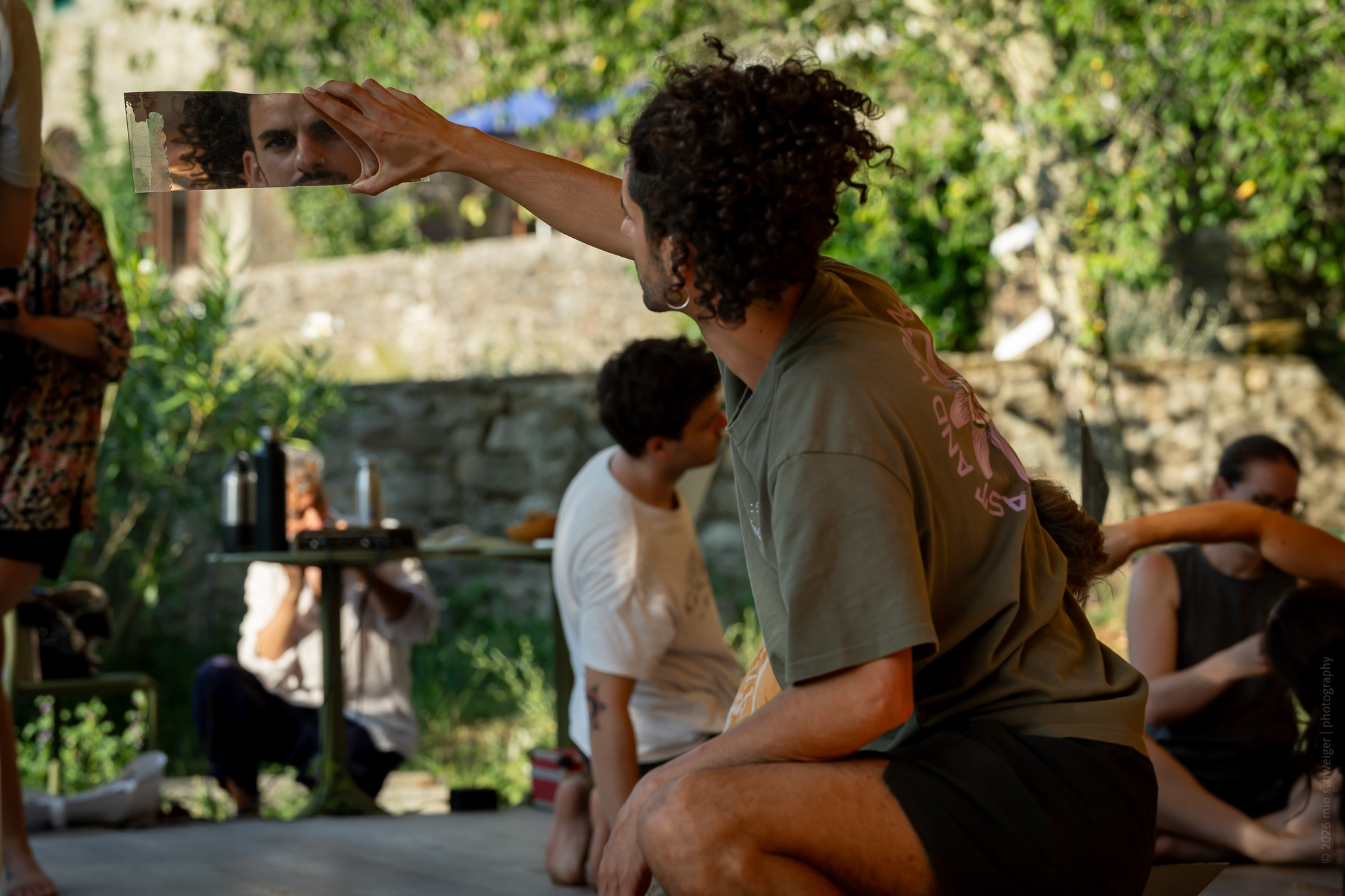
“When body and mind are together, you are fully present.”
Grief work matters to me too. I have experienced spaces where people create a safe setting together to express grief and sorrow for the world. No one had to carry what was heavy alone or turn it into hope immediately. That experience showed me how much it can mean to listen to one another and make room for what does not yet have words.
Through my Somatic Experiencing (SE) training at the Centre for Inner Ecology (ZIO) in Zurich, many questions from my own journey have taken on a clearer shape. I am learning to notice protective responses, activation, resources and subtle shifts in connection.
I work with people as equals and draw on my own experience to understand what they’re going through.
More about Somatic Experiencing and how I work
My work lives in the space between apparent opposites. It can be quiet and slow - and just as rhythmic, sweaty and intense.
You do not have to change before you are welcome. We begin with what is here - even when it feels disruptive. From that acceptance, something may change without being forced.
I love working up a sweat through movement and entering trance-like states through repetition. The time afterwards matters just as much to me: the body is allowed to absorb what has happened at its own pace.
Rhythm, repetition and moving together can create a strong sense of connection. Within the group, you still get to choose your pace, how close you want to get, how far to go and when to take a break.
I try to be open about what I’m experiencing, even when it leaves me feeling vulnerable. I might share something I’ve noticed, suggest slowing down or offer a direction we could explore together.
I pay attention to my own state so I can give others time to settle and feel supported. Sometimes, in those moments together, there’s gratitude or compassion, a shiver of recognition, or simply a feeling that there’s more space and time.
I hope people leave with a little more ease, clarity, curiosity and joy, feeling closer to themselves and open to whatever comes next.
Contact
An enquiry is not a commitment. You can write to me about what has drawn you to my work.
Ask about a session