Aaron · Dance & stage
The body speaks before words emerge.
Through dance I experienced what it means to be fully present with others - in movement and stillness, without having to be or achieve anything.
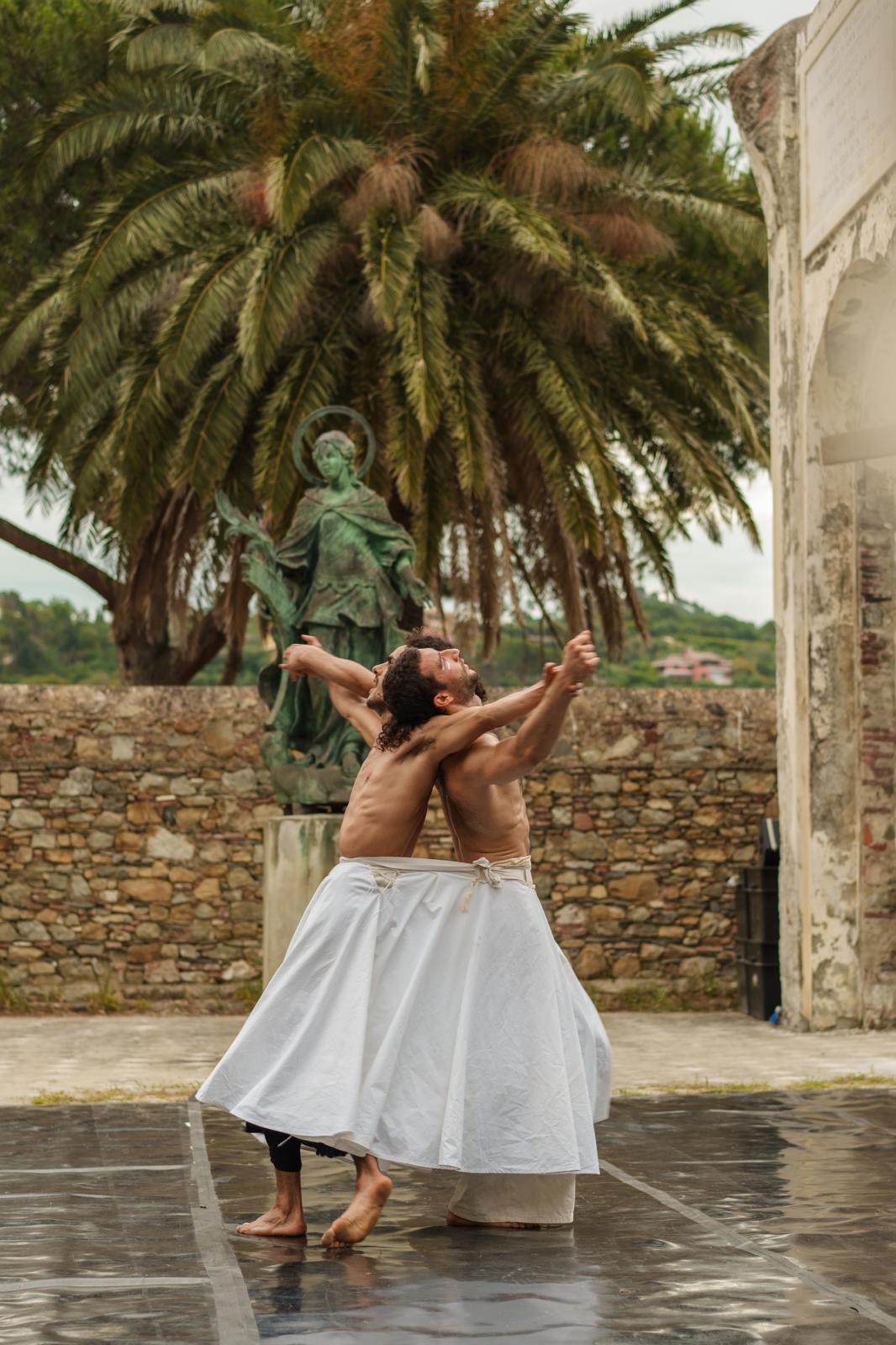
My way into dance
Being together without having to do anything.
After years of often feeling frozen inside, dance gave me a way back to feeling. It was not a permanent change: when I spent time away from classes, I would find myself in that frozen state again. But while I danced, something else became possible.
I remember one of my first dance classes. We had moved together, then suddenly everyone stood still. We listened to our breathing and the music. No one had to perform. We were simply there together, sharing the present moment. For the first time since my adolescence, I felt emotions begin to move again. I was deeply touched.
What moved me was not only that I could feel myself again. We were all aware of our bodies: our breath, the afterglow of movement, the music. In that awareness, I could be present with others without having to say, show or achieve anything. I was not alone, yet I did not have to adapt myself either. I had not experienced togetherness like that for a long time.
What movement made possible
Enough to do to be fully here.
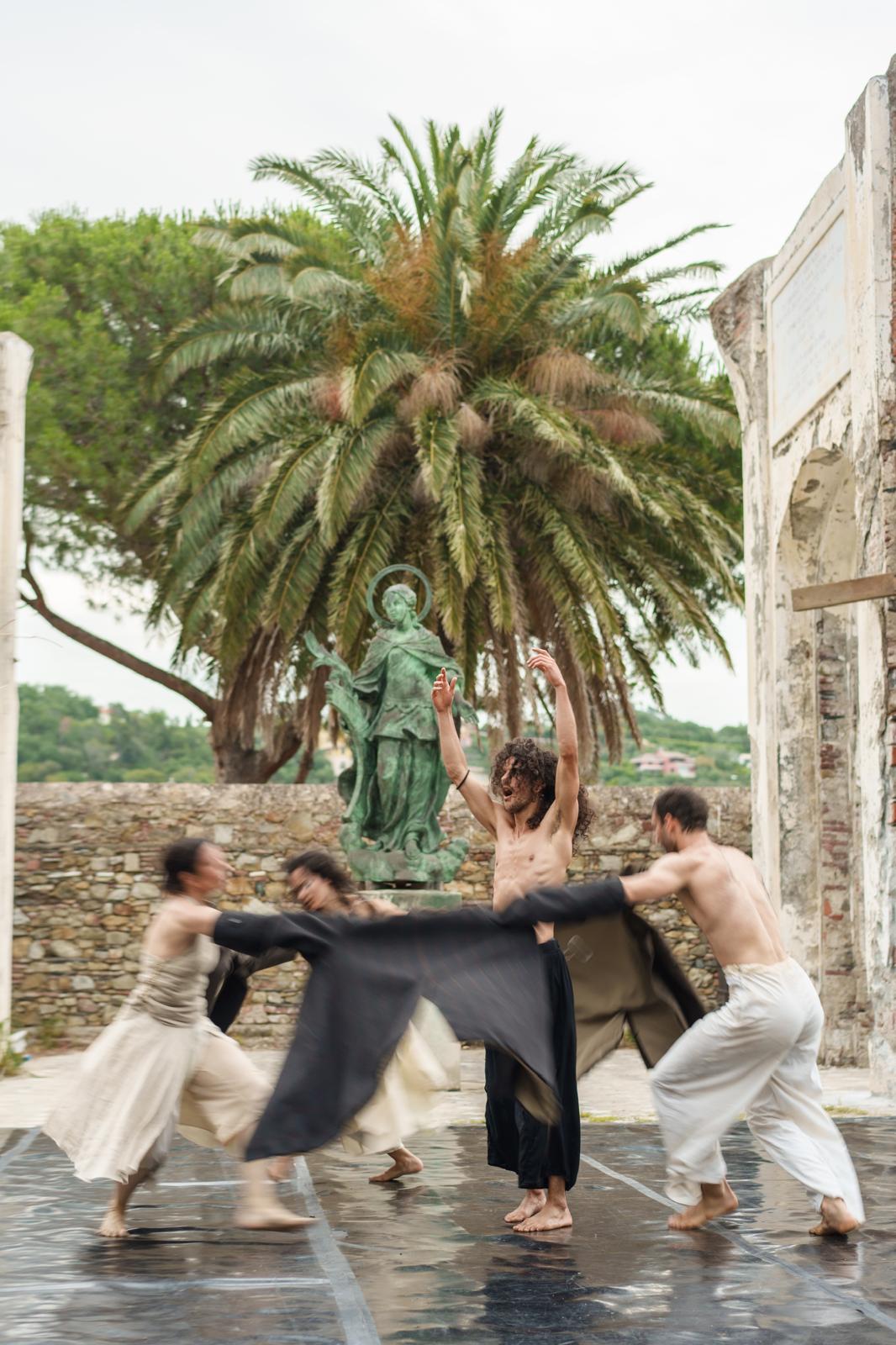
Dance gave me so much to attend to that there was little room for looping thoughts: telling right from left, remembering a sequence, hearing the rhythm, keeping my balance, sensing the space and staying connected with the group. It took all my attention - and brought me into the here and now.
I loved that freedom. Yet it often lasted only as long as I was dancing. Even a single day off could feel dreadful; the frozen feeling and inner sense of alarm returned. Dance gave me something precious, but it could not, on its own, resolve what lay beneath. Later I described this feeling to myself as being stuck in sympathetic activation - as if I were constantly on alert while also feeling frozen.
Much later I also found a bodily perspective on this experience. Ruth Lanius and Breanne Kearney describe how the vestibular system informs us about balance and movement in space, and how these senses may relate to body awareness and the regulation of arousal. That helps me understand why turns, shifts of weight and finding my place in the group reached me so directly. But it does not explain everything - least of all the closeness to others in that quiet dance class. Nor does it prove that dance treats trauma. Read the article by Kearney and Lanius ↗
Looking back, dance was an unknowing way of supporting myself. My Somatic Experiencing (SE) training later gave me other ways to understand the frozen feeling and inner alarm. But my memory of dance is not merely a step toward something else. It stands on its own: the joy of movement and moments in which I could truly be there with others.
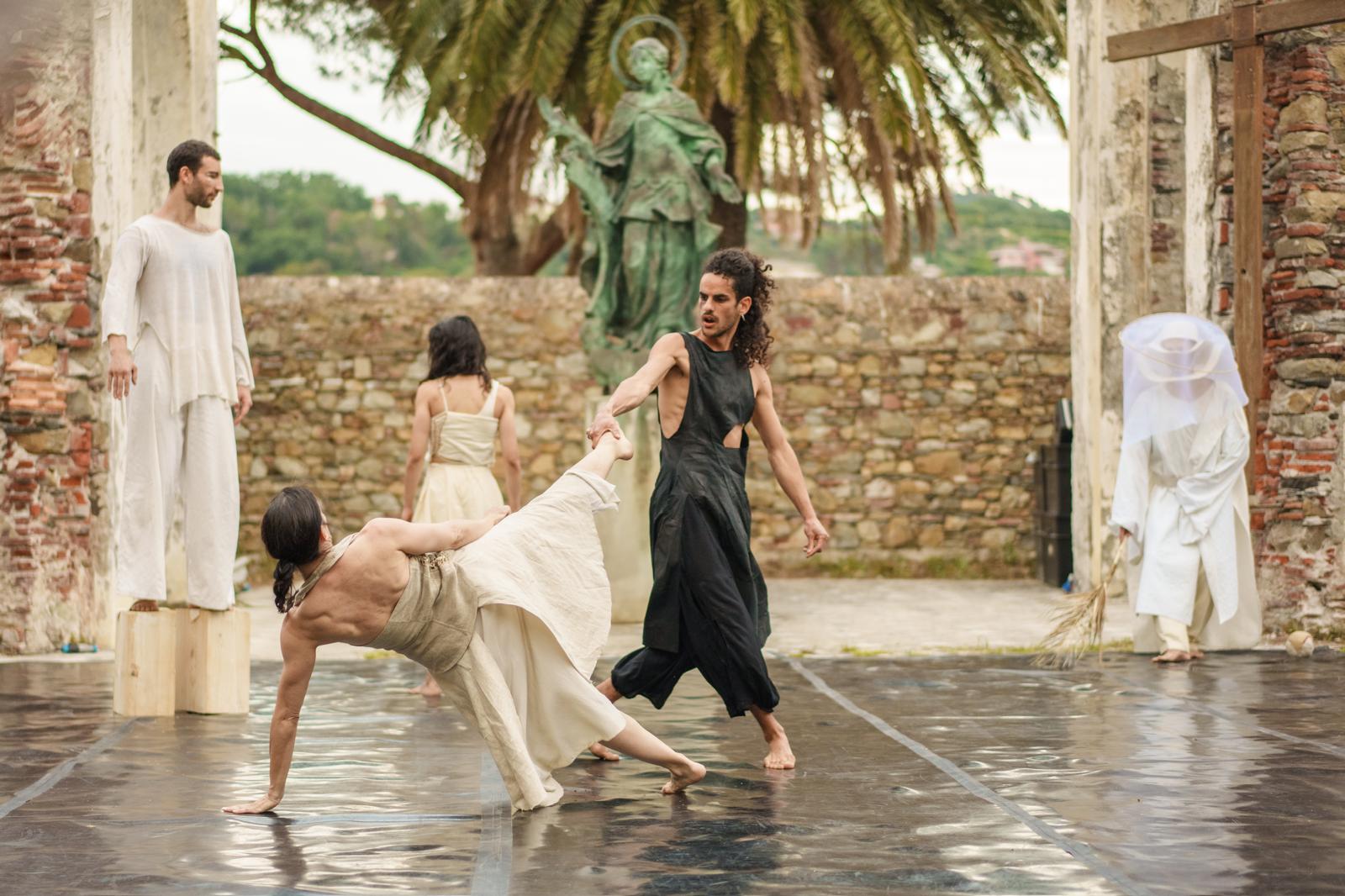
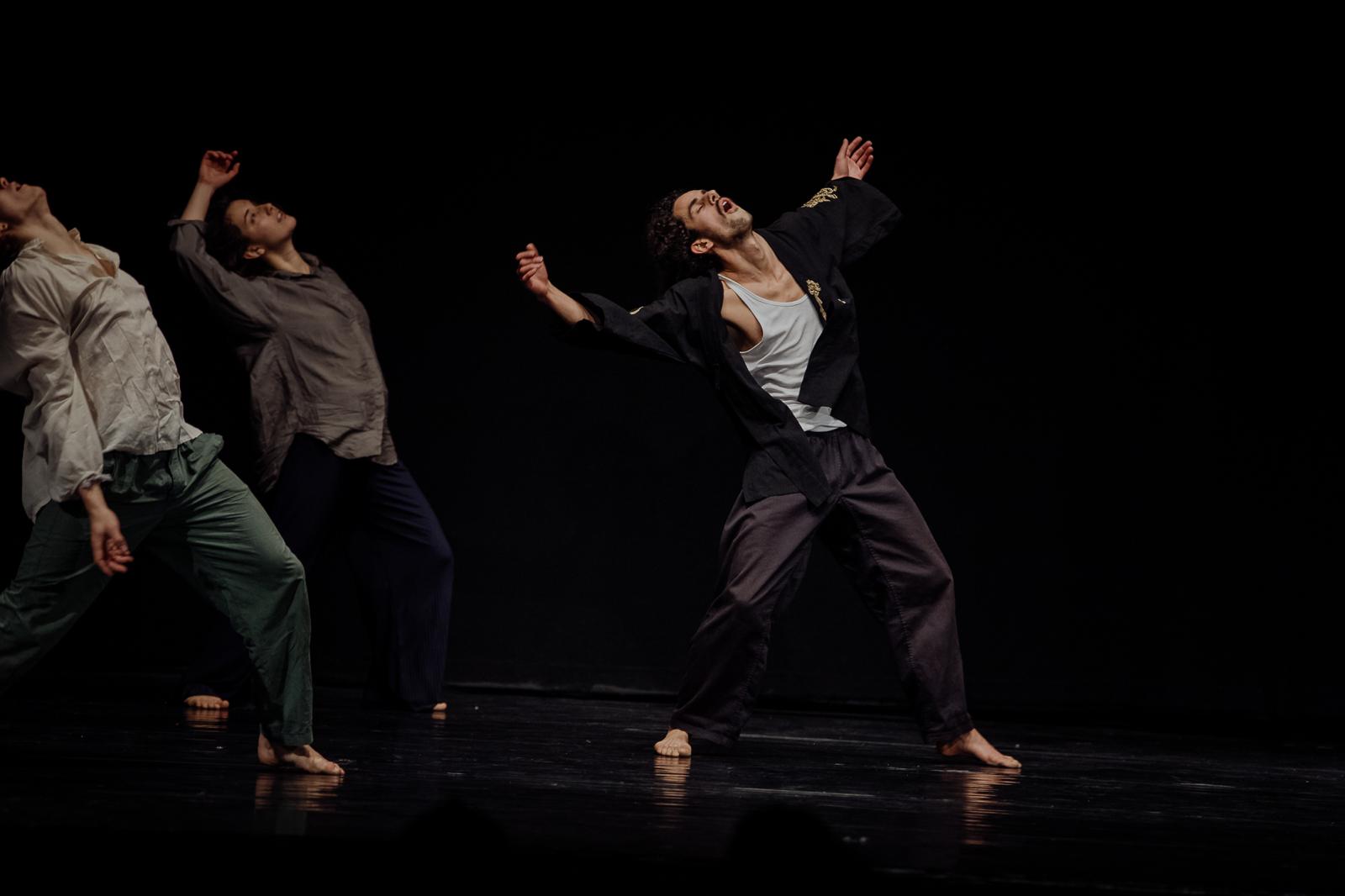
On stage
Movement arises in relationship.
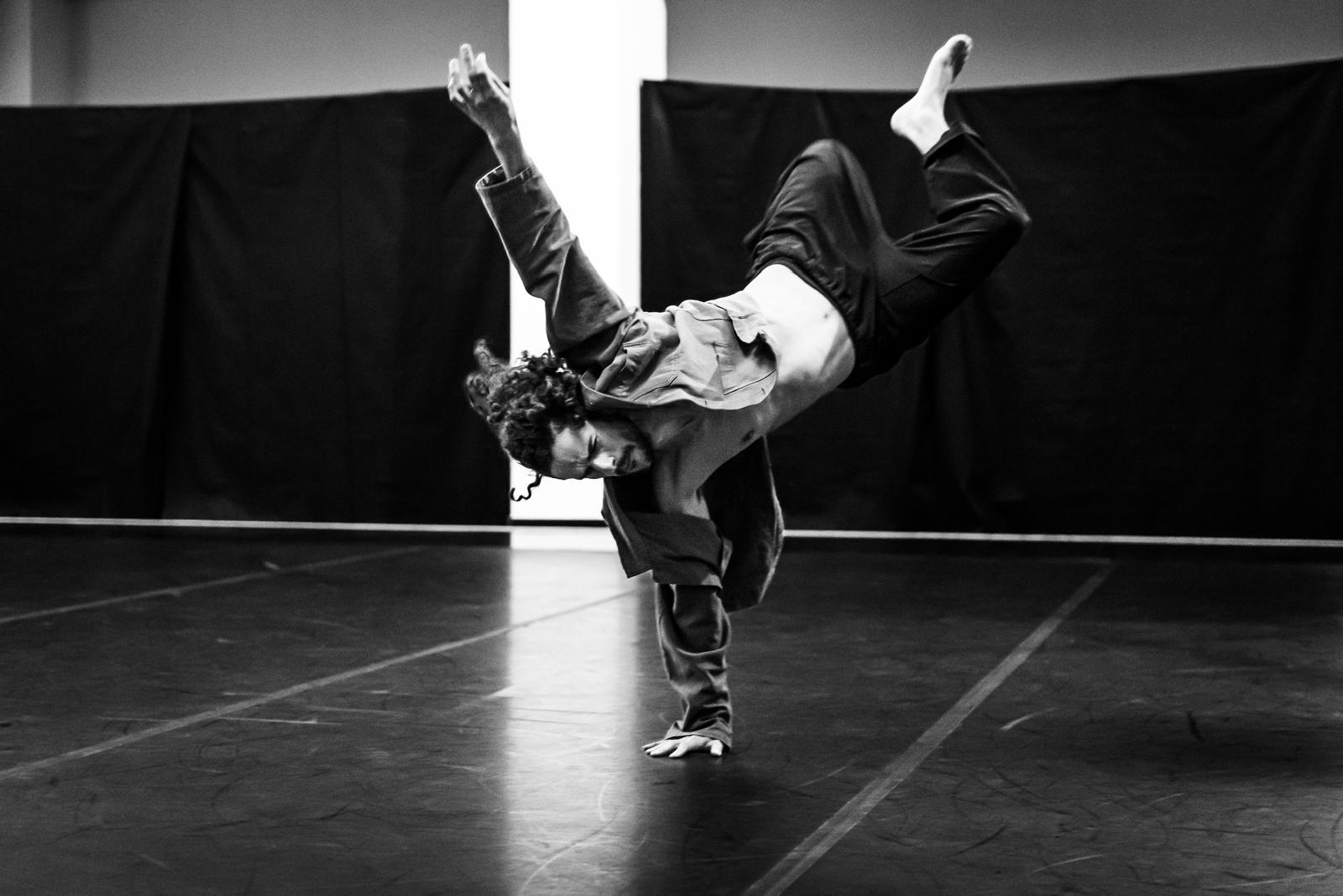
Art and boundaries
Between freedom and expectation.
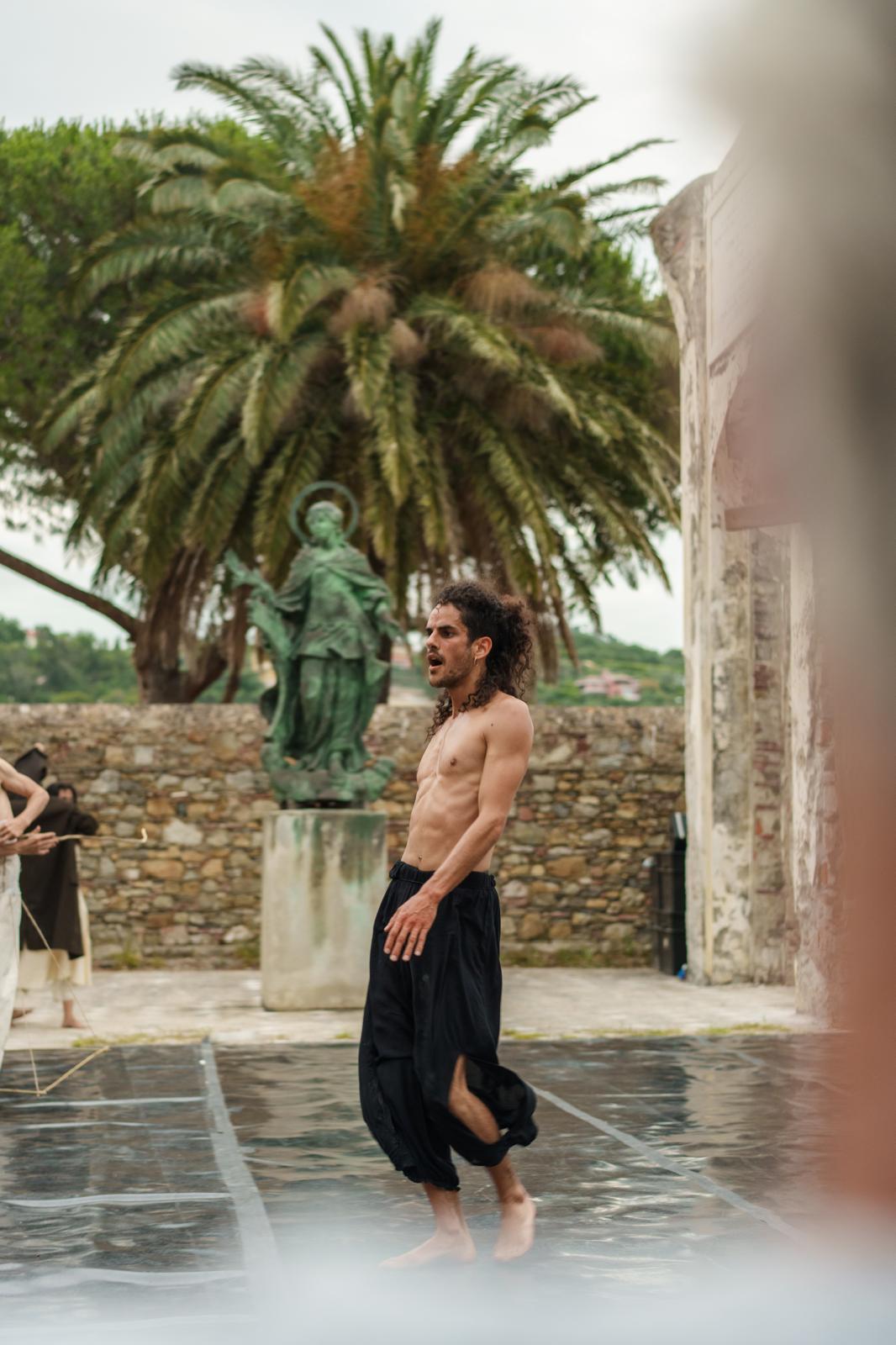
Professional dance also brought a tension. Where performance, precision and the next step matter, there is often an expectation to push beyond your limits. For me, that did not always fit with what had helped me about dancing in the first place.
I love the intensity and the artistic work of an ensemble. At the same time, I have learned to ask: does a movement challenge me in a way that feels alive, or am I losing touch with myself? In my bodywork, I therefore ask not only what is possible, but also whether an experience remains appropriate and sustainable.
Contact
Would you like to know more about my journey?
Feel free to write if you have questions about my work, workshops or a possible collaboration.
Ask about a session